
Measurable Impact Across Our Partners
Partnership that drives outcomes.
Ascend partners with health centers to deliver fully integrated behavioral health programs that improve clinical outcomes, expand access, and support sustainable growth.
Total Encounters Delivered
200K
Health Center Partners
13
Full-Time Providers Embedded
120+
Increase in Internal Referrals
400%+
Partner Reduction in Wait Times
50%+
Partner Growth in Encounter Volume (Over 3 Months)
10x
Partner Revenue Growth (Over 3 Years)
3x
Total Encounters Delivered
200K
Health Center Partners
13
Full-Time Providers Embedded
120+
Increase in Internal Referrals
400%+
Partner Reduction in Wait Times
50%+
Partner Growth in Encounter Volume (Over 3 Months)
10x
Partner Revenue Growth (Over 3 Years)
3x
Case Study 1
Depression Remission
Depression Remission at 12 Months with Initiation of Behavioral Health
Following the launch of Ascend’s behavioral health services, this FQHC saw meaningful improvements in depression outcomes, with more patients achieving clinically significant symptom reduction and remission within the first year of partnership.
Health Center Type:
FQHC
Patients Served
21,785

Case Study 2
Substance Use Disorder Treatment
Initiation and Engagement of Substance Use Disorder Treatment
As the opioid crisis continues to strain communities, Ascend’s behavioral health program delivered measurable impact – significantly increasing initiation and sustained engagement in substance use disorder treatment.
Health Center Type:
FQHC
Patients Served
21,785

Case Study 3
Diabetes Outcomes (A1C)
Improving A1C Control with Integrated Behavioral Health
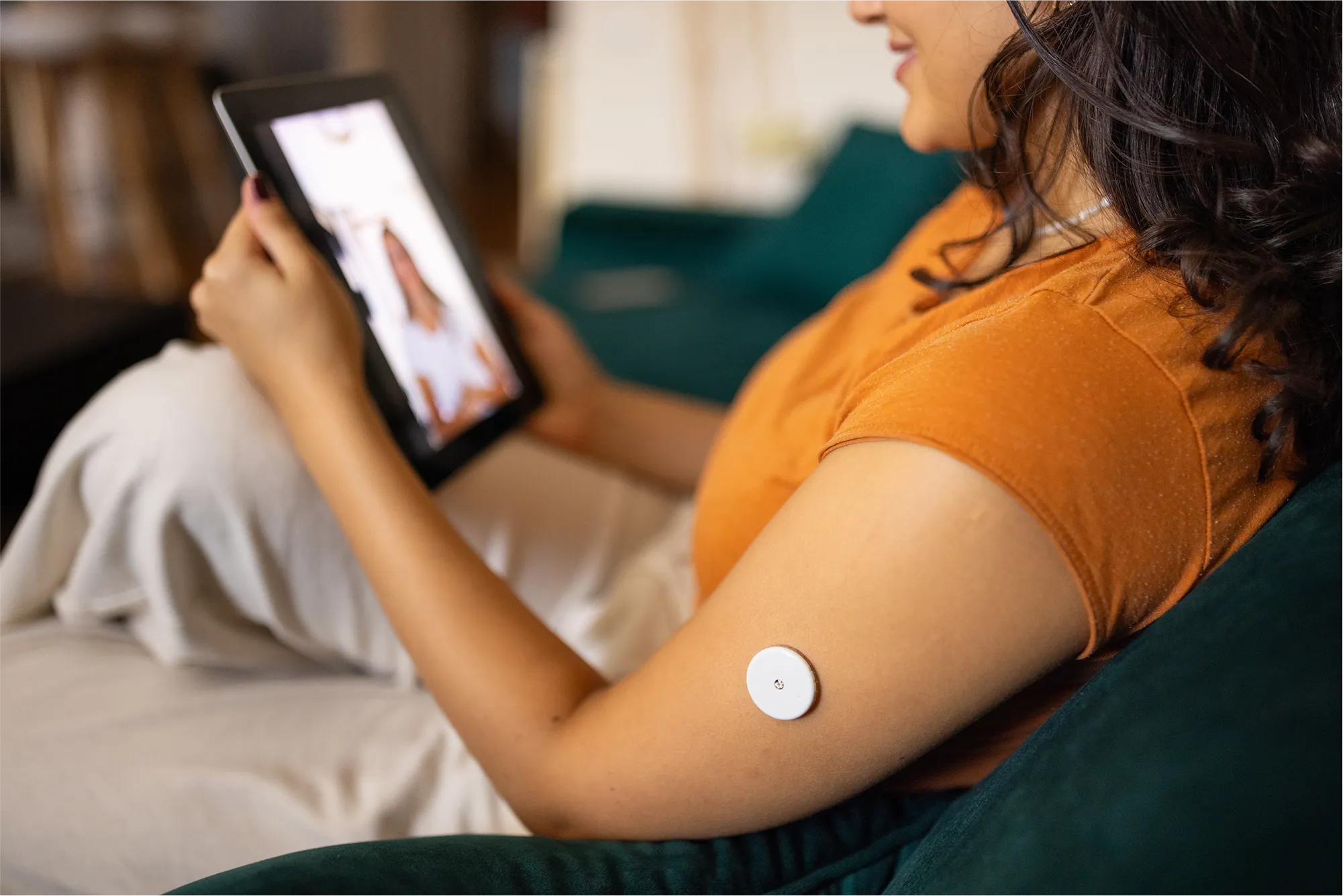
By embedding behavioral health into chronic disease management, Ascend, in collaboration with the health center, supports better care engagement, stress management, and patient adherence—improving A1C control for high-risk patients.
Health Center Type:
FQHC
Patients with Diabetes:
9,517
Case Study 4
Blood Pressure (Systolic)
Driving Blood Pressure Control Through Integrated Care
Ascend’s integrated model, in collaboration with the health center, improves hypertension management by addressing behavioral drivers like stress, lifestyle factors, and care engagement, helping more patients achieve BP control.
Health Center Type:
FQHC
Patients with Hypertension:
20,404

51% of patients improved with behavioral health
44% improved without behavioral health
70% of patients improved with behavioral health
9,702 patients improved out of 16,235 without behavioral health
69% of patients improved with behavioral health
9,471 patients improved out of 16,235 without behavioral health
These outcomes reflect Ascend’s deep partnership approach—building fully integrated behavioral health programs that meaningfully strengthen care quality, population health, and patient outcomes across our health center partners.
These outcomes reflect Ascend’s deep partnership approach—building fully integrated behavioral health programs that meaningfully strengthen care quality, population health, and patient outcomes across our health center partners.